
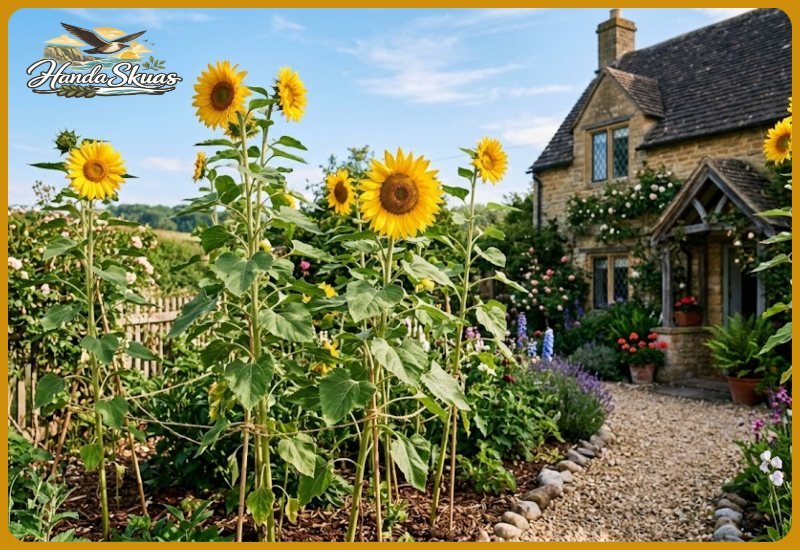
When to Plant Sunflower Seeds: The Ultimate 2026 Growing Guide
Their bright yellow faces don’t just add aesthetic value to your property; they act as a beacon for local wildlife and a source of joy for families. If you are wondering when to plant sunflower seeds, timing is the most critical factor. Unlike some hardy perennials that can survive a bit of frost, sunflowers are tender annuals that require consistent warmth to germinate and thrive. In this comprehensive guide, we will walk you through the seasonal windows, planting techniques, and professional tips to ensure your garden glows with golden blooms this summer.
Understanding the Timeline: When to Plant Sunflower Seeds?
The most common question for any gardener is: when do you plant sunflower seeds? While it depends slightly on your local climate and Hardiness Zone, the golden rule is warmth. Sunflowers are native to warm climates and are highly sensitive to frost. If you plant them too early, the cold soil will cause the seeds to rot; plant them too late, and they may not have enough time to bloom before the autumn chill returns.
The Spring Window
For most regions in the USA, the best time for planting sunflower seeds is between mid-April and late May. However, if you want a head start, you can begin as early as late March by sowing them in pots indoors. This “head start” is particularly useful if you live in northern states where the growing season is shorter.
- Indoor Starting: If you live in a cooler climate, you might ask when do you plant sunflower seeds indoors? The answer is late March or early April. Use a peat-free compost and keep the pots on a sunny windowsill or in a greenhouse. This protects the delicate sprouts from the unpredictable early spring weather and common garden pests like slugs and snails.
- Outdoor Sowing: Once the risk of frost has completely passed and the soil temperature reaches a steady 60°F (16°C), it is finally the right time for when to plant sunflower seeds directly into the ground. In 2026, many Southern regions may hit this temperature by early April, while Mid-Western and Northern gardeners should wait until May.
Succession Planting for Constant Blooms
To keep your garden looking “cozy” all through the late summer and well into the autumn, don’t plant all your seeds at once. Even after you know when to plant sunflower seeds for the first time, try sowing a new batch every two to three weeks. This technique, known as succession planting, ensures that as one giant flower begins to fade and turn to seed, another is just starting to open its vibrant petals.
Choosing the Right Variety for Your Space
Before you start growing sunflowers, you need to decide which variety fits your home aesthetic and available space. Sunflowers come in an incredible range of sizes and colors.
- The Giants: Varieties like ‘American Giant’ or ‘Russian Giant’ can reach up to 4 meters tall. These are perfect for creating natural privacy screens along fences or as a focal point in a large garden bed.
- The Dwarfs: If you are gardening in pots or have a small patio, look for ‘Teddy Bear’ (which has fuzzy, pom-pom like flowers) or ‘Big Smile’. These stay under 60 cm and are incredibly easy to manage.
- The Multi-Branching Varieties: Some sunflowers produce one single massive head, while others branch out to produce dozens of smaller flowers over a longer period.
- The Colors: While classic yellow is a favorite, modern gardening offers deep burgundy, burnt orange, and even creamy white varieties to match a specific rustic home decor theme.
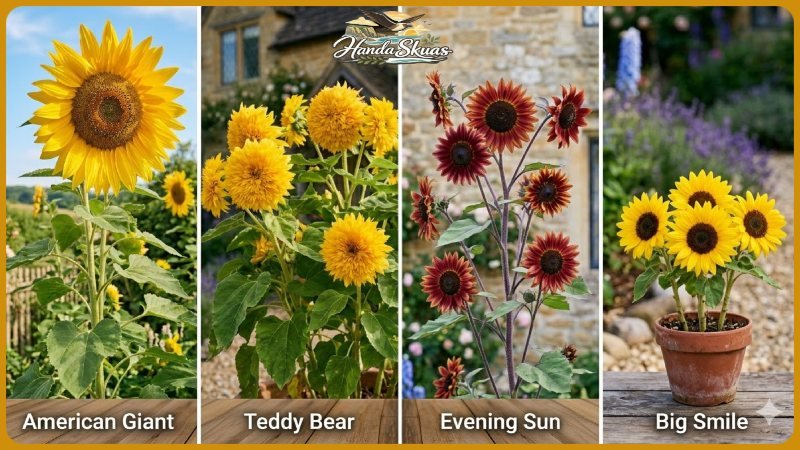 Variety Comparison
Step-by-Step: How to Grow Sunflowers
Planting sunflower seeds is a simple process, making it a perfect project for kids or beginners. Follow these detailed steps for the best results:
1. Site Selection and Soil Prep
Sunflowers need “Full Sun”—that means at least 6 to 8 hours of direct sunlight a day. If you have already decided when to plant sunflower seeds, make sure your chosen spot is weed-free. Sunflowers have long “taproots” that need to go deep into the earth, so they prefer soil that isn’t too compacted. Use a trowel to loosen the earth and rake it until it has a “fine tilth” (a crumbly, soft texture).
2. Sowing the Seeds
If you are planting sunflower seeds directly into the garden:
- Make small holes or drills about 1 inch (2.5 cm) deep.
- Space the seeds about 10 cm apart initially. You will “thin them out” later once you see which ones are the strongest.
- Place the seed in carefully, cover with soil, and water gently with a light spray to avoid displacing the seeds.
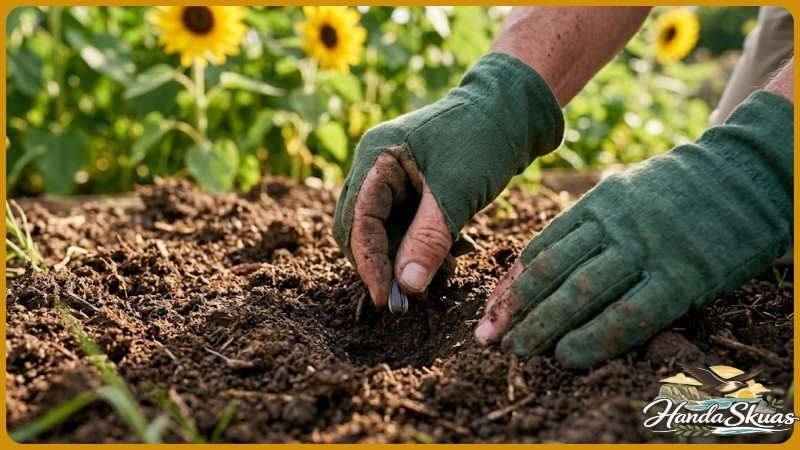 Planting Process
3. The “Thinning Out” Process
As your seedlings grow, they will start to compete for nutrients and space. When they are around 10 cm tall, thin them out so there is about 45 cm (18 inches) between each plant. This allows air to circulate, which prevents diseases like powdery mildew.
Ongoing Care: Staking and Protection
One of the biggest challenges when growing sunflowers is protecting the tender new shoots. Once you have mastered when to plant sunflower seeds, you must also master how to protect them from the elements and hungry visitors. For more detailed information on how sunflowers support local ecosystems, you can visit the RSPB guide on birds and wildlife.
- The Bottle Trick: Slugs and snails love sunflower sprouts. You can protect them by cutting the top off a clear plastic bottle and placing it over the seedling. This creates a mini-greenhouse that keeps the plant warm and acts as a physical barrier.
- Support and Staking: As your sunflowers grow taller than you, they become top-heavy. Use a bamboo cane or wooden stake and tie the sunflower stem loosely to it using soft twine.
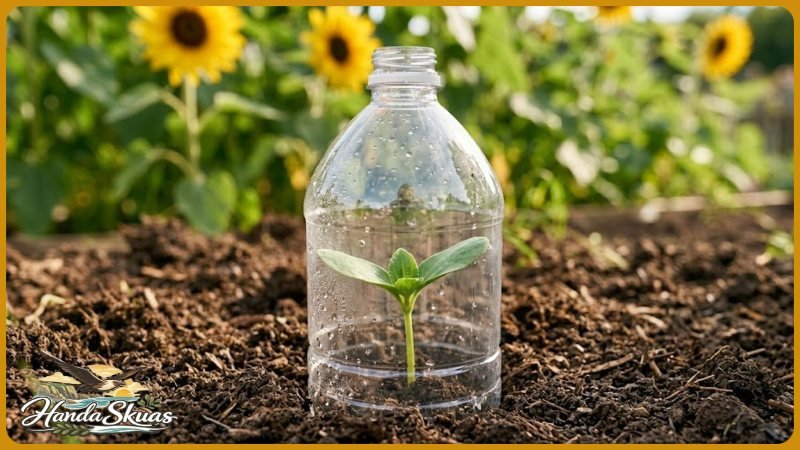 Protection Tip
| Feature | Details for Success |
|---|---|
| Best Time to Plant | Usually mid-April to May. |
| Sunlight Needed | 6 to 8 hours of direct sun daily. |
| Planting Depth | 1 inch (2.5 cm) deep in well-drained soil. |
| Spacing | 45 cm (18 inches) apart for fully grown plants. |
| Pest Protection | Use cut-off plastic bottles or copper tape for slugs. |
| Wildlife Benefit | Provides nectar for bees and seeds for birds. |
Conclusion
Mastering when to plant sunflower seeds is the first step toward a vibrant, nature-friendly garden that enhances your home’s “cozy” appeal. By starting in late spring, choosing the right variety, and providing the necessary support, you can transform your outdoor space into a sanctuary for both your family and local wildlife. Sunflowers are a reminder that with a little bit of soil, water, and sun, we can create something truly magnificent. Ready to start your garden? Grab a packet of seeds today!
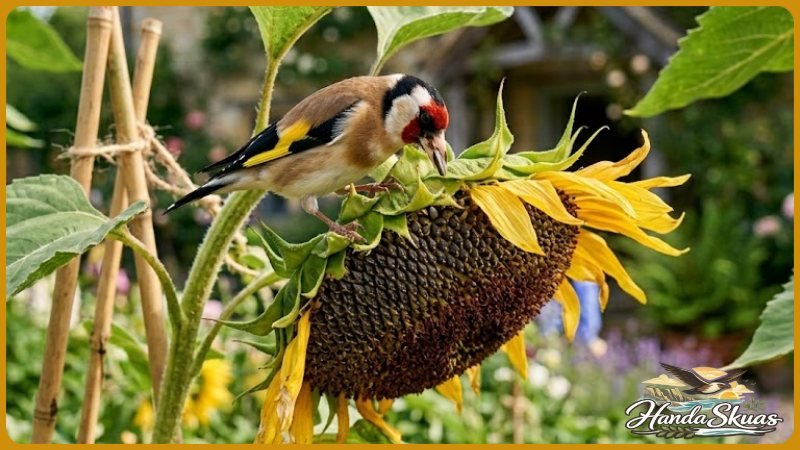 Wildlife Connection
Frequently Asked Questions (FAQs)
1. Can I grow sunflowers in pots? Yes! If you don’t have a garden, don’t worry. Growing sunflowers in pots is very common. Just ensure you use a large enough container (at least 12 inches deep) and choose a dwarf variety like ‘Big Smile’ or ‘Teddy Bear’.
2. How long does it take for sunflowers to bloom? On average, sunflowers take between 70 to 100 days to flower after planting. This is why knowing when to plant sunflower seeds is so important—you want to ensure they have enough warm days to complete their cycle.
3. Why are my sunflower leaves turning yellow? This is often due to overwatering or poor soil drainage. While sunflowers like to stay moist, they do not like “wet feet.” Ensure your soil is well-drained.
4. Do sunflowers follow the sun? Yes, this is called heliotropism. Young sunflowers will turn their heads to follow the sun from east to west throughout the day!